Gingery Goodness: Reviving 1960s Gingerbread with a Spicy Twist

The 1960s were a time of social revolution and culinary exploration. Amidst the lava lamps and bell-bottoms, gingerbread was quietly stealing the spotlight in kitchens across America. It was a decade that saw the rise of TV dinners, but it was gingerbread that kept the home fires burning. The aromatic allure of gingerbread, with its rich molasses and warm spices, was a staple on dessert tables and in recipe books. Today, we're diving back into the '60s to rediscover this comforting classic, adding a spicy, modern twist that will make your taste buds tingle. By infusing it with zestier spices and a hint of citrus, we aim to elevate this beloved bake into a contemporary masterpiece that's both nostalgic and exhilarating.
Venturing into the world of vintage gingerbread offers not just a taste of moist, spiced cake, but a slice of history. The 1960s were marked by a flair for the exotic and the simple, a juxtaposition perfectly embodied in gingerbread. With its roots tracing back to medieval Europe, gingerbread reached new heights in the mid-20th century, beloved for its ability to warm hearts and homes. This quintessential bake was more than a dessert; it was a comforting companion on cold winter nights and a highlight at festive gatherings, whispering stories of bygone eras with every bite.
Our mission is to revive this heritage bake while giving it a fresh twist, something that speaks to both seasoned bakers and newcomers who are eager to explore the aromatic corridor of vintage treats. Think of gingerbread as a blank canvas, ready to embrace vibrant spices and a touch of citrus madness. This isn’t just any gingerbread; it’s an adventure that revisits the past while embracing the spicy present. As we embark on this culinary journey, let’s prepare to rediscover the joy of baking that transcends generations and brings a delicious fusion of history and innovation to your kitchen.
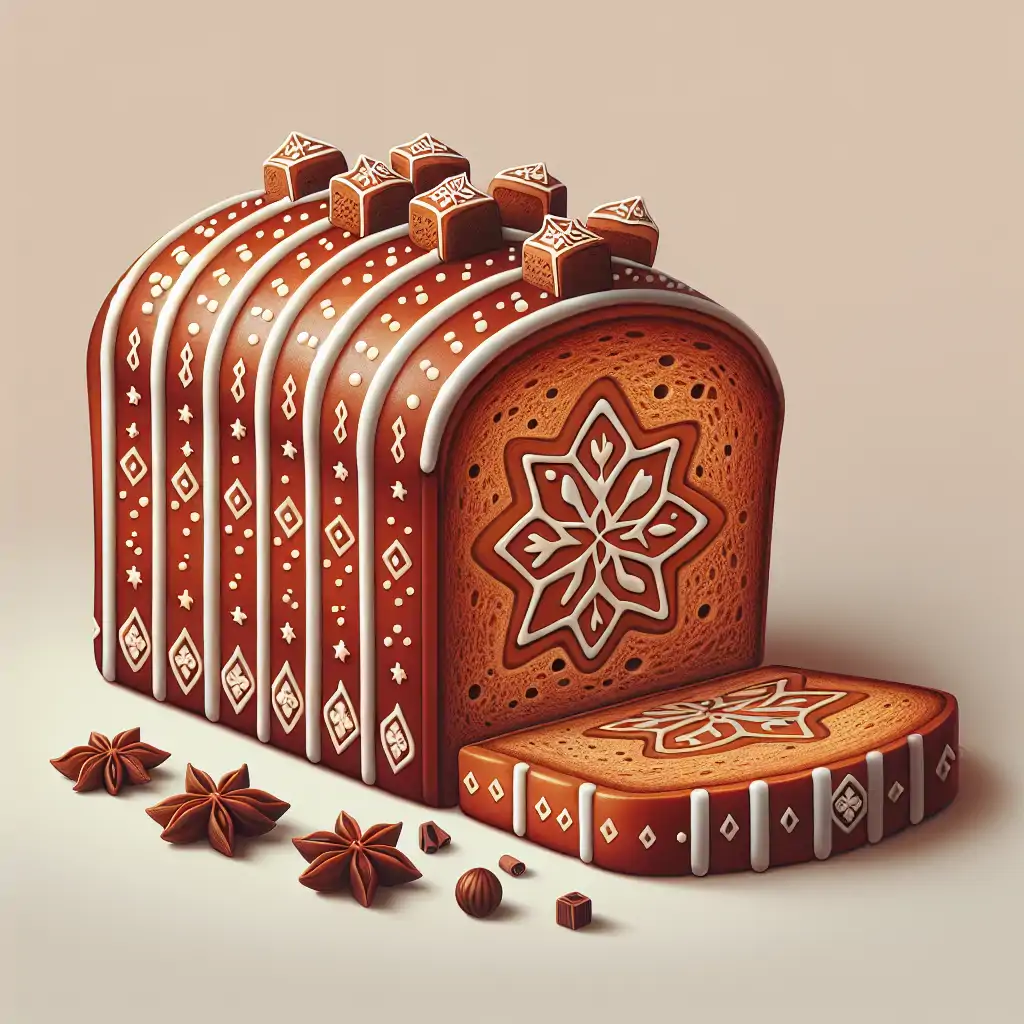
To breathe new life into the traditional gingerbread recipe, we start by carefully selecting our spices. The 1960s might have leaned heavily on ginger, cinnamon, and cloves, but modern sensibilities crave a zestier palette. Here, we introduce cardamom and cayenne, alongside a generous touch of freshly grated ginger. This spicy trio dances across your taste buds, adding layers of complexity that transform the gingerbread into a truly invigorating experience. However, the adventurous spice must be balanced by their classic counterparts to retain the essence of vintage charm.
Molasses lends the gingerbread its quintessential moist texture and dark hue, a nod to its rich heritage. Accompanied by dual sugars—brown and white—they create a caramelly depth that mingles perfectly with our aromatic spices. In a modern twist, we introduce a splash of orange zest, offering a citrusy brightness that cuts through the richness. This key addition not only enhances the bake's flavor but pays homage to the innovative spirit of the 1960s, reflecting a time when kitchens were buzzing with experimentation and creativity.
Crafting this tangy-spiced gingerbread begins with sifting together our dry ingredients: flour, baking powder, and our curated spice mix. The cornerstone of successful baking lies in the synergy between these elements. Next, creamy butter is whipped with sugars until light and fluffy, paving the way for perfectly textured gingerbread. As eggs are incorporated, one at a time, they mingle with the mixture, ensuring a cohesive batter. A hint of vanilla extract sneaks in, offering a layer of sweetness that complements our citrus-spice story.
Skillfully blending molasses with boiling water before adding it to the batter is a technique that reflects old-school charm. This orchestrated mix ensures the molasses is swiftly and safely integrated, a nod to the grandmotherly wisdom of handling this sticky ingredient with grace. The addition of orange zest here prompts a fragrant explosion, wrapping the batter in comforting, sun-kissed aromas. Baker's secret: let the batter rest, allowing flavors to meld and deepen.
Pouring our precious batter into a well-greased pan, we prepare to bake this vintage wonder. Oven temperatures fluctuate, so while 350°F is our set point, familiarity with your oven is crucial. As the kitchen fills with the nostalgic aroma of baking gingerbread, there's a comforting embrace that transcends time. To test readiness, a skewer inserted should emerge clean, signaling that your gingerbread masterpiece is baked to perfection.
With gingerbread safely cooling on a wire rack, the anticipation builds. Patience is key; slicing too soon can upset the delicate crumb structure. This resting period is not just practical—it fuels excitement for the first bite! As the warm spiced aroma lingers, take a moment to appreciate the artistry of transforming simple ingredients into a culinary marvel that embodies the ethos of both past and present.
Once cool, it’s time to contemplate the ideal pairing. Gingerbread enjoys companionship, traditionally served with a steaming cup of tea or coffee. For a robust flair, opt for a spiced chai or ginger-infused tea. On cooler days, a rich dark brew enhances the symphony of spices. Perhaps even indulge with a dollop of whipped cream or a scoop of vanilla ice cream to elevate and contrast the zingy flavors.
Today’s gingerbread isn’t just a nod to the past; it’s a celebration of how far we’ve come. It’s a tactile reminder of kitchens adorned with floral wallpaper, the clatter of Formica counters, and a blender that promises the moon. This bake, enhanced with our modern twist, invites nostalgia while daring to explore the novel, embodying the innovative kitchen spirit of 1960s revolutionaries who sought to push culinary boundaries.
Historically, gingerbread houses became cultural symbols of festive seasons, an endearing ritual dating back to 19th-century Germany that caught on worldwide. Yet, our focus isn’t on architecture but on true flavors. As your kitchen captures this gingery-spiced fragrance, it’s a reflection of these traditions—it is about the warmth and joy these bakes bring to any table.
In the quirky arsenal of 1960s cookbooks, gingerbread recipes pop up like nostalgic notes of needed comfort. Entrenched between jellied salads and casseroles, gingerbread represents uncomplicated joy—a dessert loved by everyone, which doesn’t require a PhD in culinary arts. This ease combined with a new edge of spice ensures that our modern gingerbread recipe is the star of gatherings, transporting taste testers back to a simpler, heartwarming time.
Gingerbread isn’t just a dessert—it's a memory incarnate, a keepsake of aromatic joy packed into each enticing bite. Newcomers to this retro bake will find themselves mesmerized by its complexities, from the earthly molasses tones to the spicy punches of cayenne and cardamom. For long-time enthusiasts, revamped gingerbread offers a familiar hug, but with a tingle of spiced excitement to intrigue and delight.
Taking a deep dive into gingerbread lore reveals a diverse evolution, from its European roots as medical sustenance to celebratory feasts in medieval times. By the 1960s, gingerbread was deeply integrated into American holiday traditions and everyday delights, embodying the era’s penchant for blends of exotic spices. Our contemporary twist respects this lineage while introducing exciting new flavors to excite the modern palate.
The art of vintage baking carries a tradition, a warmth that speaks to the soul of homebodies and adventurers alike. There is something inexplicably satisfying about the reassuring rhythm of measuring, mixing, and waiting as atmospheric Essence Lindy swirls recall the gathering place at parties. Today’s gingerbread seeks to honor that gentle rhythm while energizing it with a vibrant zest that’s fresh and inviting.
Gingerbread also speaks an international language, where cultures around the world bring their flair. While the American version became iconically associated with houses and holiday cheer, continents like Asia infused gingerbread with their specific spice blends, further enriching it. Our recipe, with subtle hints of lemon balm and chili threads, pays homage to such influences—resulting in a universally appealing, scrumptious bake.
Just as our iconic spiced wonder is celebrated worldwide, its historic journey is one of trade and curiosity. From the Silk Road where spices traveled, giving birth to gingerbread icons in medieval fairs, to the colonies where rum entered the fray and inspired even more daring bakes, gingerbread morphed and flourished, appealing to each era’s taste while defying categorization.
In every batch of gingerbread, there is a beautifully orchestrated symphony of flavors that whispers stories from different corners of our culinary world, each spice lending its note to the overarching melody. This unique history is inseparable from the culinary joy it brings, as every era has added its signature twist, just as we do today with a hint of citrus and an adventurous embrace of spice.
Reclaiming gingerbread as a beloved bake is a playful yet serious affair—serious because we follow in the footsteps of culinary giants, playful because experimentation can yield delectable delights. By modifying the spice ratios or alternating flours for gluten-free options, bakers of today can retain that beloved aromatic medley while adapting it to modern dietary preferences.
The spicy charisma of gingerbread infuses our baking experience with a distinctive enjoyment. Its delightful contrast between sweet and fiery captures attention and preserves interest. The modern era allows us to further infuse this classic with nutritionally rich additions, from finely chopped walnuts to dried cranberries. Each modification is an adventure, a celebration of gingerbread’s timeless adaptability.
In terms of presentation, the unadorned charm of gingerbread is in its honesty. An enticing loaf, studded with crystallized ginger or a scattering of zest atop, will arouse intrigue while keeping with the humble dignity of this bake. However, for those inclined towards the artistic, glaze drizzles or decorative motifs created by icing can transform your gingerbread into a veritable canvas of culinary art.
Through baking this spiced wonder, we connect with our forebears, those intrepid culinary pioneers of the 1960s who saw gingerbread as both a symbol of tradition and a beacon of innovation. As we take a bite, that spicy, zesty mix, reimagined for today, reminds us that the past flavors still hold a special place, eagerly awaiting their moment to shine once more in the modern spotlight.

Gingerbread, a classic delicacy with roots stretching back to ye olde times, continually captivates with its combination of warmth and nostalgia. By revamping the traditional recipe with bold spices and a tart citrus twist, we've transformed this beloved bake into a culinary experience that bridges the paths of our past with the zest of the present. The marriage of tradition and innovation reflects the spirit of the 1960s with our modern twist, creating a gingerbread that speaks to all generations eager to savor its gingery goodness.
Today's spectacular gingerbread acts as a flavorful tribute to an era marked by revolution and innovation, offering a sensory journey into the warmth of retro kitchens and the adventurous spirit of their culinary heroes. Whether enjoyed with a cup of coffee or tea, or shared as a centerpiece of a family gathering, this spiced-up version of gingerbread invites you to reconnect with the past while embracing the exciting flavors of today. Indulge in this delightful treat, and indulge in the joy of reliving history with a spicy twist.
We hope our journey through the annals of gingerbread baking inspires you to experiment and explore within your kitchen. As you craft your batch of this delectable spiced wonder, may the flavors unleash a wave of nostalgia and anticipation. Carry forward the legacy of the 1960s bakers, blending the comfort of tradition with spicy innovation, creating memories, and sharing laughter over each delicious bite.
Thanks for taking the time to read my article! You may also find this one interesting.
Retro Custard Comeback: 1940s Classic Pudding with a Modern TwistTil next time! Prijanka

Prijanka
Prijanka is a wellness coach and inspired blog writer. Drawing from her expertise in holistic health and her talent for motivating others, she writes insightful articles that empower readers to live healthier, more balanced lives, blending practical advice with a genuine passion for well-being.
A proud member of the B-Team
If you're curious to dive deeper into related topics, then you may find these external links useful.
1. History of Gingerbread
An article detailing the historical evolution of gingerbread, tracing its origins from medieval Europe to its prominent place in 1960s America.
https://www.smithsonianmag.com/arts-culture/a-brief-history-of-gingerbread-50050265/2. Spices in Baking
A resource exploring the various spices used in baking, including ginger, cardamom, and cayenne, with a focus on their roles in enhancing flavors in classic recipes like gingerbread.
https://www.chefsresource.com/what-is-baking-spice/3. 1960s Culinary Trends
A retrospective look at the cooking and baking trends of the 1960s, including the rise of TV dinners and the cultural significance of homemade treats like gingerbread.
https://vintagerecipeproject.com/a-decade-of-culinary-revolution-the-1960s-in-american-kitchens/4. Modern Gingerbread Recipes
A collection of contemporary gingerbread recipes that incorporate modern twists and ingredients while honoring traditional flavors.
https://www.phgmag.com/local-pastry-chefs-midcentury-modern-gingerbread-house-is-a-diy-dream/5. Global Variants of Gingerbread
An exploration of how different cultures around the world have adapted gingerbread, each adding their unique flavors and techniques.
https://kidworldcitizen.org/gingerbread-stories-from-around-the-world/©2023 - 2026 SP Software Solutions Ltd. All rights reserved.