Vintage Vegan Delights: Reviving 1950s Carrot Cake with Modern Charm

Carrot cake, with its delightful blend of sweet and spice, has charmed dessert lovers for decades. It's not just the promise of a moist texture or the intriguing use of a root vegetable that draws people in—it's the fascinating history baked into every slice. Our journey begins in the post-war kitchens of the 1950s, where resourceful home cooks turned to carrots as a way to make the most of their sugar rations. This was a time of innovation, when necessity was indeed the mother of delicious inventions. As we set out to explore the carrot cake's origins, we embark on a flavorful journey through time, where each bite recalls a bygone era.
By the time carrot cake made its way to the 1950s, it was already well-loved. Its heritage can be traced back even further, with historical recipes for 'carrot pudding' emerging as far back as the medieval period. However, it was the scarcity of certain ingredients during and after the World Wars that cemented the carrot's role in cakes. Housewives were resourceful, and carrots provided a sweet alternative to sugar, elevating this humble vegetable to iconic status. As we delve into this nostalgic dessert, we also consider the modern twist that makes it accessible for today’s vegan enthusiasts.
Today, amidst changing dietary preferences and a growing interest in plant-based foods, carrot cake is enjoying a renaissance of sorts. But how do we update such an iconic recipe while remaining true to its roots? By embracing vegan alternatives, we ensure that no one is left out of the nostalgic delight that is carrot cake. This introduction guides us toward a new version of a vintage favorite—a vegan carrot cake that maintains the rich flavors and textures we adore, but with a contemporary twist. Whether you're a seasoned baker willing to experiment or a curious newbie, this recipe is sure to delight.
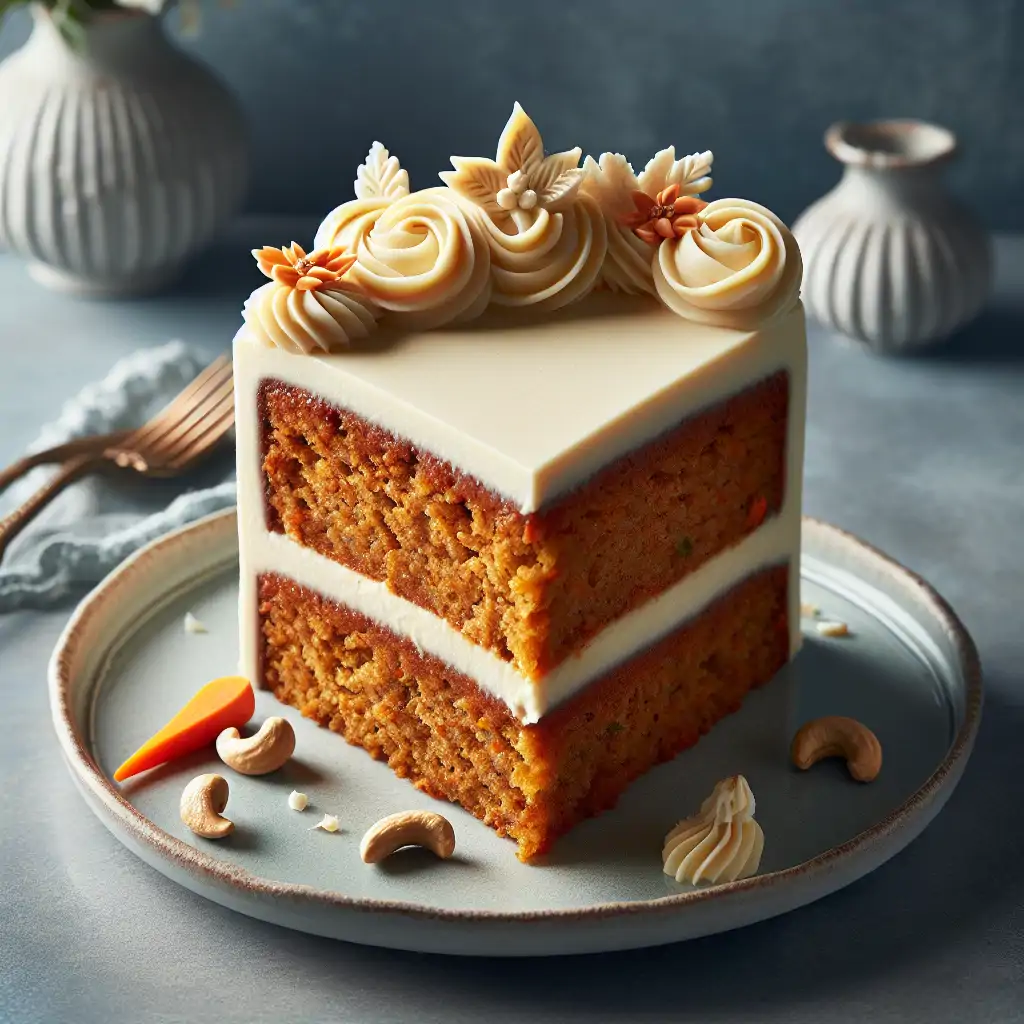
To truly appreciate the vegan carrot cake, we must first delve into its rich history. The classic carrot cake as we know it today rose in popularity during the 1950s and '60s. Known for its moist crumb and vibrant flavor, it quickly became a staple in American households. Carrots were celebrated not only for their sweet taste but also for their affordability—a key factor in a time marked by economic recovery and innovation. Housewives and amateur bakers alike embraced the carrot cake, turning it into a symbol of resourcefulness and culinary creativity.
Fast forward to the present day, and we're witnessing a resurgence in the popularity of carrot cake, driven by the modern obsession with plant-based diets. According to a 2022 survey by Veganuary, more than a million people worldwide have adopted veganism in recent years, showcasing a significant shift in dietary preferences. With this rise, the demand for vegan alternatives to classic recipes has increased. By reimagining the traditional carrot cake as a vegan delight, we're not only satisfying cravings for nostalgia but also catering to today's dietary demands.
The secret to a successful vegan carrot cake lies in clever ingredient swaps that preserve the cake's classic taste and texture. Traditional recipes rely on eggs for binding and moisture, but a vegan version can achieve the same effects using flaxseed meal mixed with water—a substitute that not only binds but adds a subtle nuttiness to the cake. Similarly, while butter provides richness, plant-based oils such as coconut or canola oil can offer a comparable texture, ensuring every bite is as decadent as the original.
Another crucial component in the vegan adaptation is recreating the cake's signature sweet-spiced profile. Classic carrot cake boasts a heady mix of cinnamon, nutmeg, and cloves, and this must be preserved at all costs. Combine these spices with the natural sweetness of grated carrots and pineapple (which also adds moisture), and you have a flavor profile that's both traditional and modern. This careful balance of energizing aromas and velvety textures is what defines the carrot cake and secures its place in the pantheon of beloved desserts.
For the frosting—a quintessential element of carrot cake—a vegan twist involves using cashew cream or coconut cream instead of traditional cream cheese. By soaking cashews and blending them with lemon juice and a touch of vanilla, we can create a luscious, creamy frosting that's indistinguishable from its dairy counterpart. This adaptation retains the tangy creaminess and pairs beautifully with the spiced cake layers, capturing the essence of what makes carrot cake a true delight.
As we embark on this baking adventure, it's important to note that vegan baking is more than just swapping ingredients; it's also about technique. Effective strategies can enhance the final product, such as ensuring the batter is well-combined without overmixing. The beauty of this vegan carrot cake lies in its simplicity and the satisfaction of making something familiar with a modern twist. The process is a nod to the past, celebrating culinary ingenuity while aligning with contemporary lifestyle choices.
In addition to its historical and cultural significance, carrot cake also shines for its nutritional benefits. Carrots are rich in beta-carotene, an antioxidant that supports eye health, and they contribute a natural sweetness that allows us to use less sugar in the recipe. By opting for whole grain or gluten-free flour alternatives, we further enhance the cake's nutritional profile and make it accessible to an even broader audience. This focus on health aligns with modern trends while remaining true to the cake's original ethos of making the best of what we have.
As Julian Stovall noted in his book Vintage Baking, 'carrot cake has the remarkable ability to transport us to simpler times.' This sentiment rings true as we blend tradition with innovation. The vegan adaptation respects the cake's heritage while embracing future sustainability. With the global plant-based market projected to grow significantly by 2025, according to a report by Statista, our love affair with this cultural and culinary icon only stands to deepen. A vegan carrot cake becomes not just a dessert but a bridge between eras.
To bring this recipe to life, let's delve into the step-by-step process. Gather your ingredients: carrots, flour of choice, sugars, flaxseed meal, plant-based milk, baking powder, vanilla extract, and a bouquet of spices. Fresh carrots provide texture and vibrant flavor, while your choice of flour—from all-purpose to almond flour—allows you to tailor the cake's texture to your liking. This flexibility ensures that your vegan carrot cake not only mirrors the traditional version but surpasses it in innovation and adaptability.
As you prepare your cake, don't overlook the importance of grating the carrots finely. This subtle detail ensures they blend seamlessly into the batter, offering a uniform texture and flavor in every slice. Incorporating a small amount of crushed pineapple enhances moisture, a tip borrowed from the past that enhances the cake's consistency. These steps honor the 1950s ingenuity while relying on today's advanced knowledge of texture and taste.
In a large bowl, whisk together your dry ingredients: flour, baking soda, salt, cinnamon, nutmeg, and cloves. This preliminary blend allows the spices to distribute evenly throughout the cake, enveloping it in the warmth of scent and taste. This thorough intermingling ensures that each spice enhances the others, creating a harmonious flavor reflective of the original dessert. Our vegan update remains faithful to this essential aspect, preserving the comforting aroma that's synonymous with carrot cake.
In separate bowl, mix your wet ingredients: the flaxseed meal 'eggs,' plant-based milk, vanilla extract, and plant oil. Embrace this moment to marvel at how nature provides precise substitutes that align with vegan values while enhancing the cake's richness. As these ingredients come together, they create a foundation for our cake, welcoming refined sugar and grated carrots into the fold—a modern take that remains enthusiastically indulgent.
Combine wet and dry mixtures, stirring gently until just integrated. The art of restraint plays a crucial role here; overmixing can lead to a denser cake, which we aim to avoid. This concept isn't so different from baking in the 1950s, where texture was crucial to achieving that delicate crumb. Allow the batter to bring each ingredient together harmoniously, a nod to family suppers where carrot cake brought hugs and smiles around the table.
Once mixed, fold in your carrots and optional walnuts or pecans. Nuts lend an additional layer of texture and a pleasant crunch, though are optional to accommodate allergies or personal preference. In keeping with the spirit of 1950s innovation, modern carrots or applesauce—whichever allows your taste buds to dance accordingly—work just as well, serving as a testament to this recipe's adaptability across decades.
Preheat your oven to 350°F (175°C) and prepare two 8-inch round cake pans by greasing or lining them with parchment paper. As aromas swirl during their time in the oven, you'll be transported to an era that celebrated simple gathering and earnest laughter. Bake for 25-30 minutes or until a toothpick inserted into the center emerges clean, reiterating the adage that some treasures simply require a bit of patience.
Once treated with time, the cakes unveil a golden hue—a vintage vista reincarnated in your kitchen. Let your creations cool completely before frosting. Here, you walk the bridge from past to present; we contrast our vibrant, spiced cake with creamy cashew or coconut frosting. This vegan alternative honors the simplicity of grandmother's initial recipe yet takes a modern leap, offering flavors that enhance carrot cake’s nostalgic appeal.
Blending raw cashews (soaked overnight), lemon juice, coconut oil, maple syrup, and vanilla, you'll cultivate a frosting so seamless that it celebrates the cake's intricacies. As you spread the vegan frosted glory across layers, each stroke speaks to carrot cake’s longevity—the fusion of accessibility and taste alluring to all. The frosting's tang and sweetness, balanced meticulously, remind us why we love blending yesteryear with today's nuances.
Though it is patterned largely on nostalgia, experimenting with toppings can infuse an additional personalized flair—think toasted coconut, shredded carrots, or even a sprinkle of cinnamon. Such choices allow you to embellish within this framework, just as earlier homemakers did, mixing practicality with indulgence—a testament to carrot cake’s diverse adaptability from war-time kitchens to vegan creation.
With your vegan carrot cake ready to impress, you've not only reconstructed a slice of 1950s ingenuity but have transported it into a vibrantly inclusive dessert that suits modern ethical choices. The tall, layered presentation—a signature of festivity within its spiced legacy—holds immense charm yet remains as accessible as it was decades ago. This serves as an affectionate, flavorful ode to perseverance and culinary brilliance.
Not only have you embraced historical enrichment and modern sensibility, but you've become part of a larger movement welcoming global plant-based ideals. Every bite exclaims how elements of a vintage recipe can align effortlessly with today's dietary preferences, unburdened and unbeaten. As you serve or savor the result, envision smiling 1950s homemakers at the kitchen table, finding commonality in gastronomy.
In the end, the vegan version remains heartening, honest, and reflects a timeless enjoyment of food shared with loved ones. The cake and you—the creator—are evidence how even the most cherished recipes evolve to match our values today while holding the famed allure of seasons past. This sweet cooperation of old and new creates moments of pure connection, where indulgence in slice or sentiment echoes traditions over generations.
From its frugal origins to a staple of global plant-based cuisine, carrot cake stitches culinary history together with laughter, taste, and nostalgia. It shines through the blend of 1950s passion and today’s plant-based creativity, proving the timelessness of recipes headlining our cherished vintage culinary landscapes. As you invite this vegan carrot cake into your life, bridge the eras through flavor, while celebrating tradition thriving hand-in-hand with compassionate innovation.

As we draw to a close on our flavorful journey through culinary history, it's clear that the reimagined vegan carrot cake is much more than a dessert—it's a symbol of both tradition and evolution. By taking a beloved classic and adapting it for modern values, we preserve the essence of a bygone era while embracing the current culinary landscape. This marriage of vintage and veganism provides a delightful tasting experience that both pays homage to history and anticipates the future.
The joys of baking this carrot cake are manifold. Guided by historical practices and contemporary dietary trends, we've crafted a treat that satisfies both nostalgics and novices alike. The seamless blend of flavors and the rich, spiced aroma transport us back to simpler times, yet the sophisticated vegan ingredients ground us firmly in today’s sustainable principles. With each bite, we celebrate innovation without forsaking the essence of the past.
In bringing this vegan carrot cake to life, we honor not just the original innovators of the 1950s but also today's creative culinary experimentation. This delicious merging of history and modern dietary demands is a testament to our ability to adapt and thrive. So, whip up this treat at your next gathering, and enjoy the smiles it undoubtedly brings—knowing it's an echo of the past and a shade of the future, perfectly united.
Thanks for taking the time to read my article! You may also find this one interesting.
Quirky Quiche Quest: 1980s Brunch Staple ReimaginedTil next time! Katie

Katie
Katie is a wildlife guru by day and a passionate part-time blog writer. With her deep expertise in nature and a gift for vivid storytelling, she crafts compelling articles that bring the wonders of the wild to life, captivating readers with her knowledge and love for the natural world.
A proud member of the B-Team
If you're curious to dive deeper into related topics, then you may find these external links useful.
1. History of Carrot Cake
An article detailing the history and evolution of carrot cake, tracing its origin and cultural significance through the ages.
https://www.backthenhistory.com/articles/the-history-of-carrot-cake2. Vegan Carrot Cake Recipe
A comprehensive guide to making a vegan version of carrot cake, including ingredient swaps and baking tips.
https://www.bbcgoodfood.com/recipes/vegan-carrot-cake?IGNORE_GEO_REDIRECT_GLOBAL=true&v=2107984893. Nutritional Benefits of Carrots
An analysis of the health benefits of carrots, highlighting their role in recipes like carrot cake.
https://www.researchgate.net/publication/359863991_An_Analysis_of_Health_Benefits_of_Carrot4. Veganuary and Plant-Based Diet Trends
A report on the rise of veganism and how movements like Veganuary are influencing dietary habits worldwide.
https://veganuary.com/wp-content/uploads/2024/03/Campaign-Report-2024-UK.pdf5. 1950s Baking Innovations
An exploration of innovative baking techniques and recipes from the 1950s, showing how economic factors influenced culinary creativity.
https://vintagerecipeproject.com/a-decade-of-culinary-transformation-the-1950s-in-american-kitchens/©2023 - 2026 SP Software Solutions Ltd. All rights reserved.